
What are microalgae?
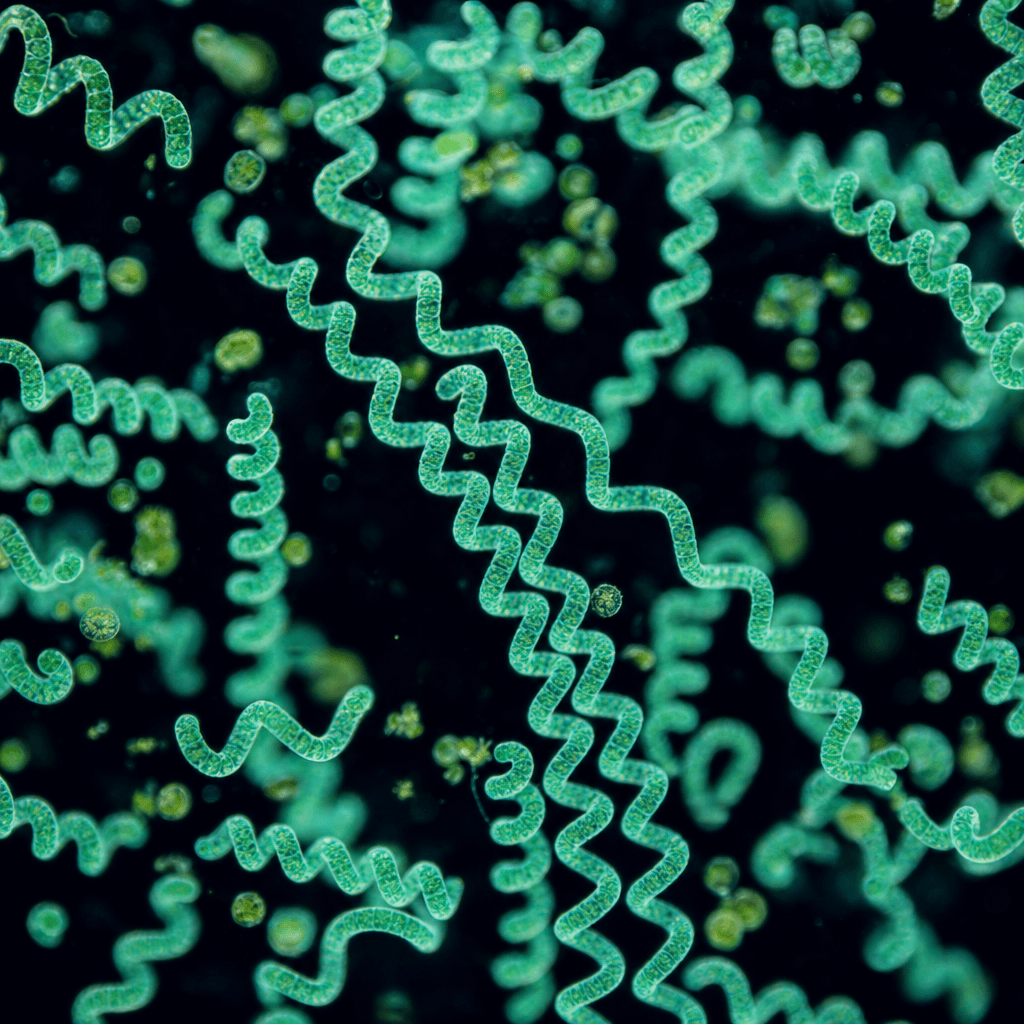
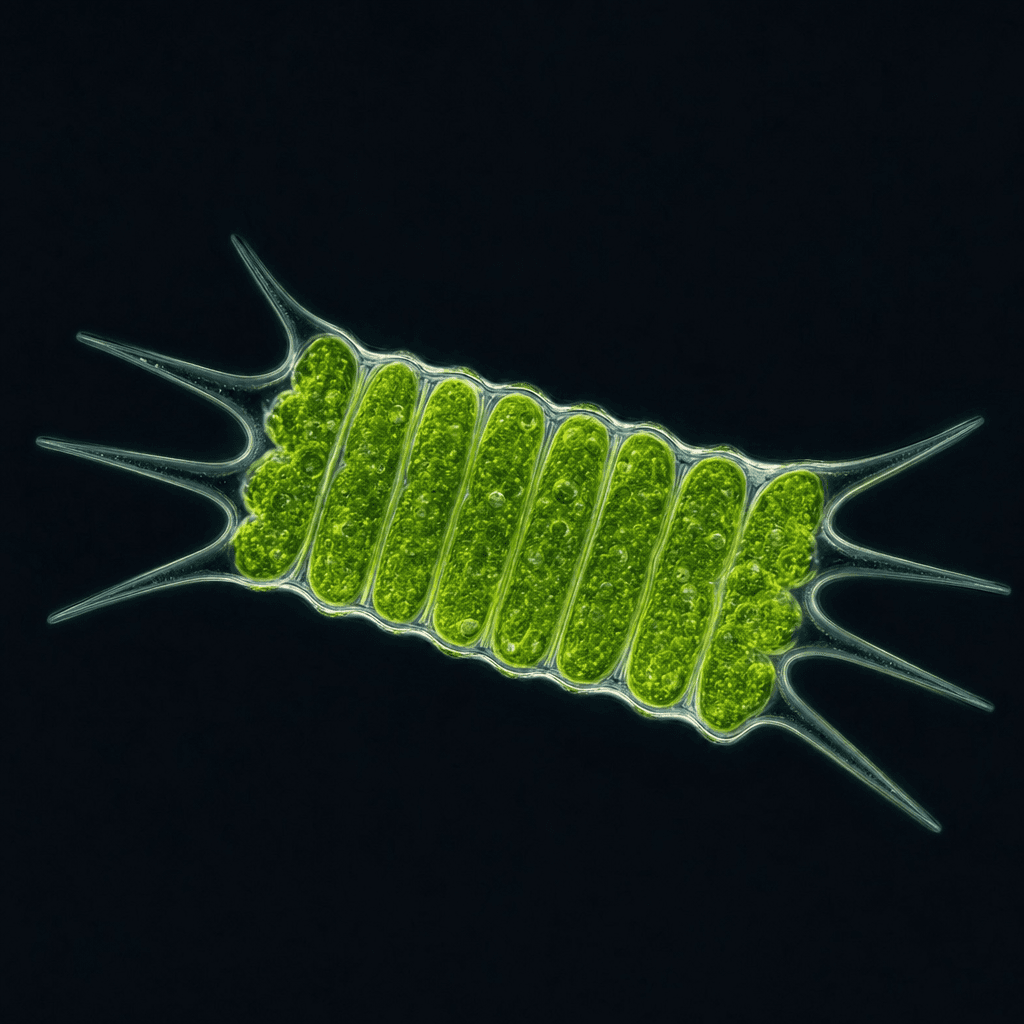
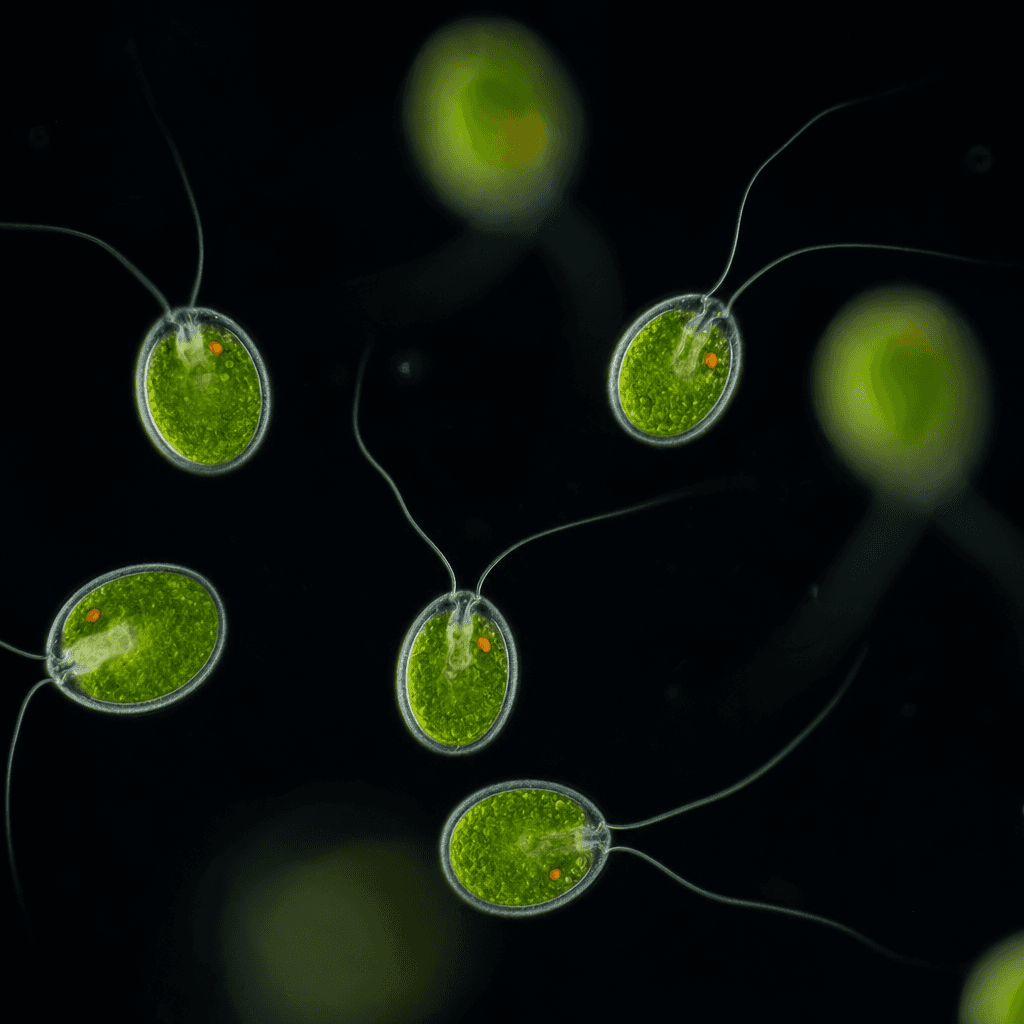
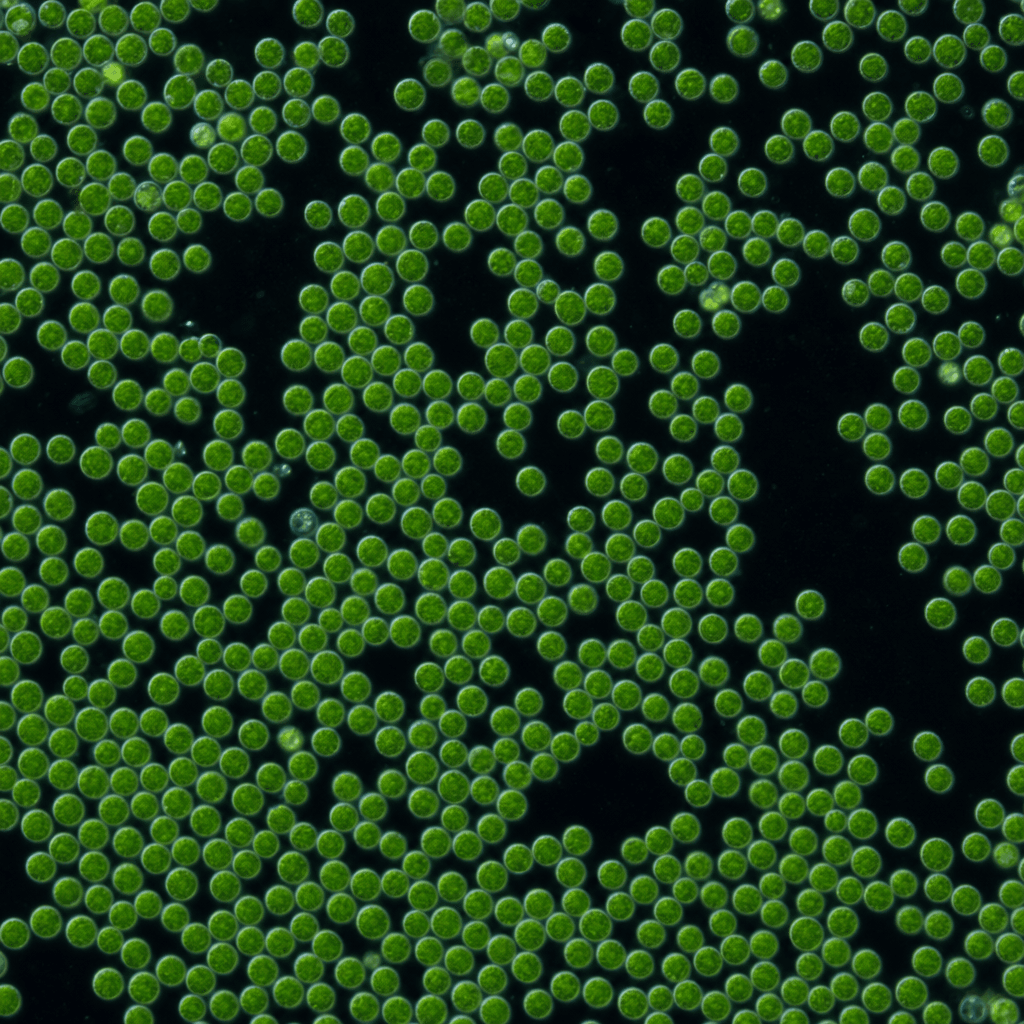
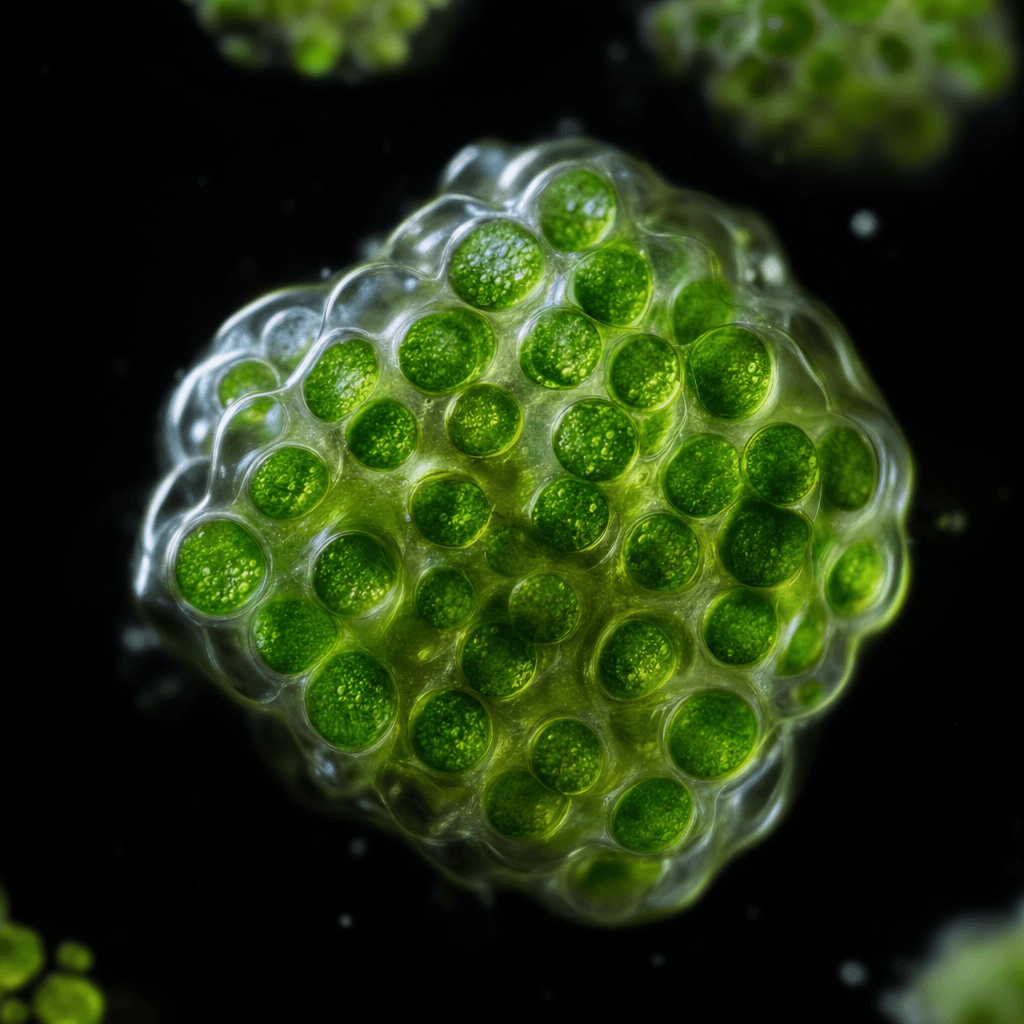
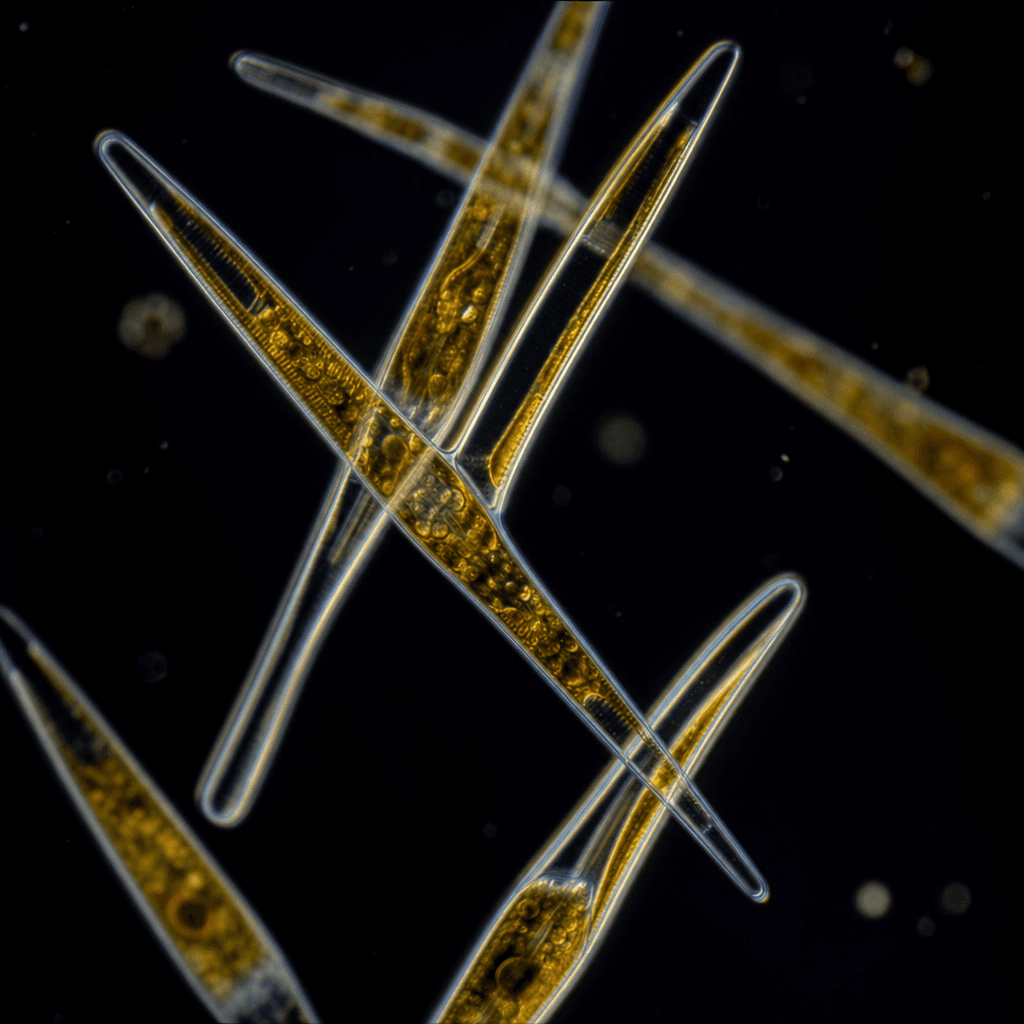
Microalgae are photosynthetic microorganisms, mostly single-celled, able to turn sunlight, water and carbon dioxide (CO₂) into biomass and oxygen. The term groups both microscopic eukaryotic algae (such as Chlorella or Scenedesmus) and prokaryotic cyanobacteria (such as Spirulina/Arthrospira), which share the same ecological role and biotechnological uses.
They are the basis of aquatic food chains and are responsible for a very significant share of the planet's primary production and oxygen. Their diversity is enormous: tens of thousands of described species exist, with sizes ranging from about 1 µm to several tens of microns.
Biology and cell structure
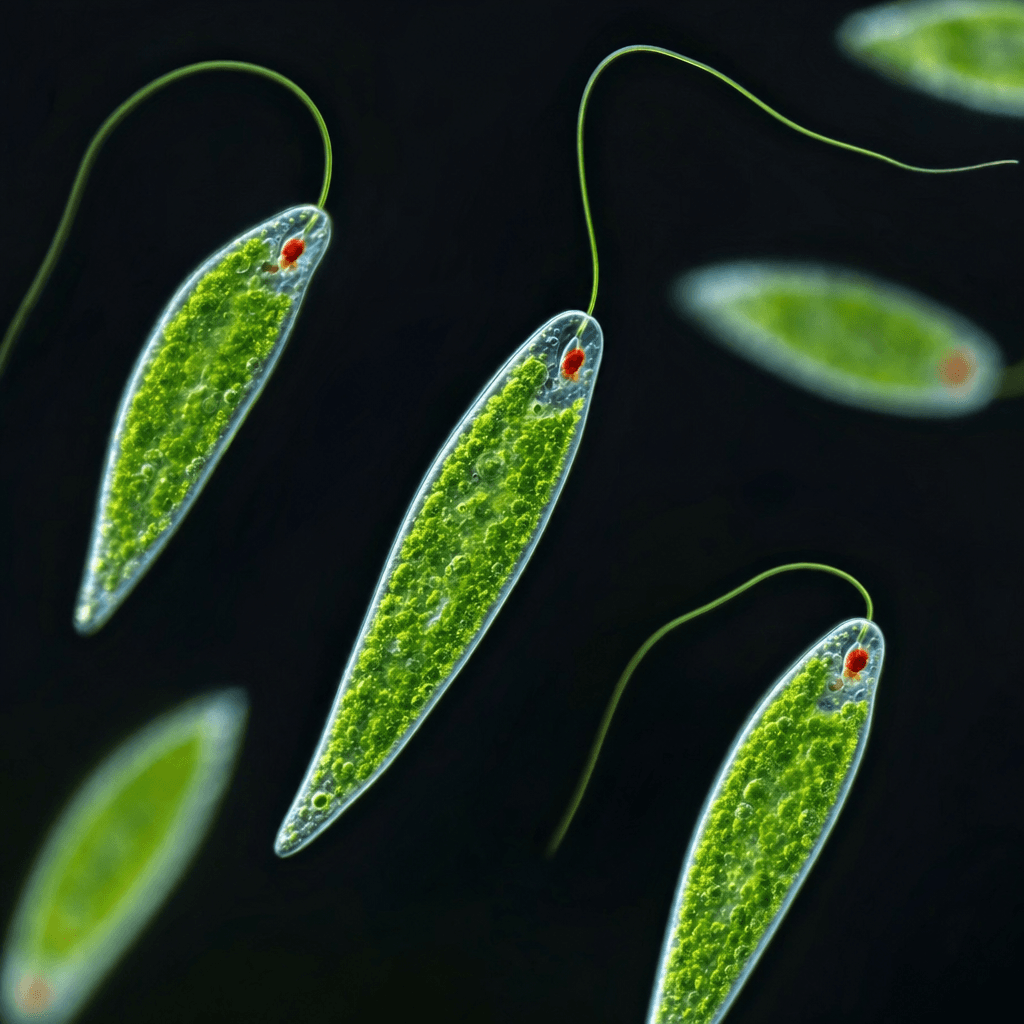
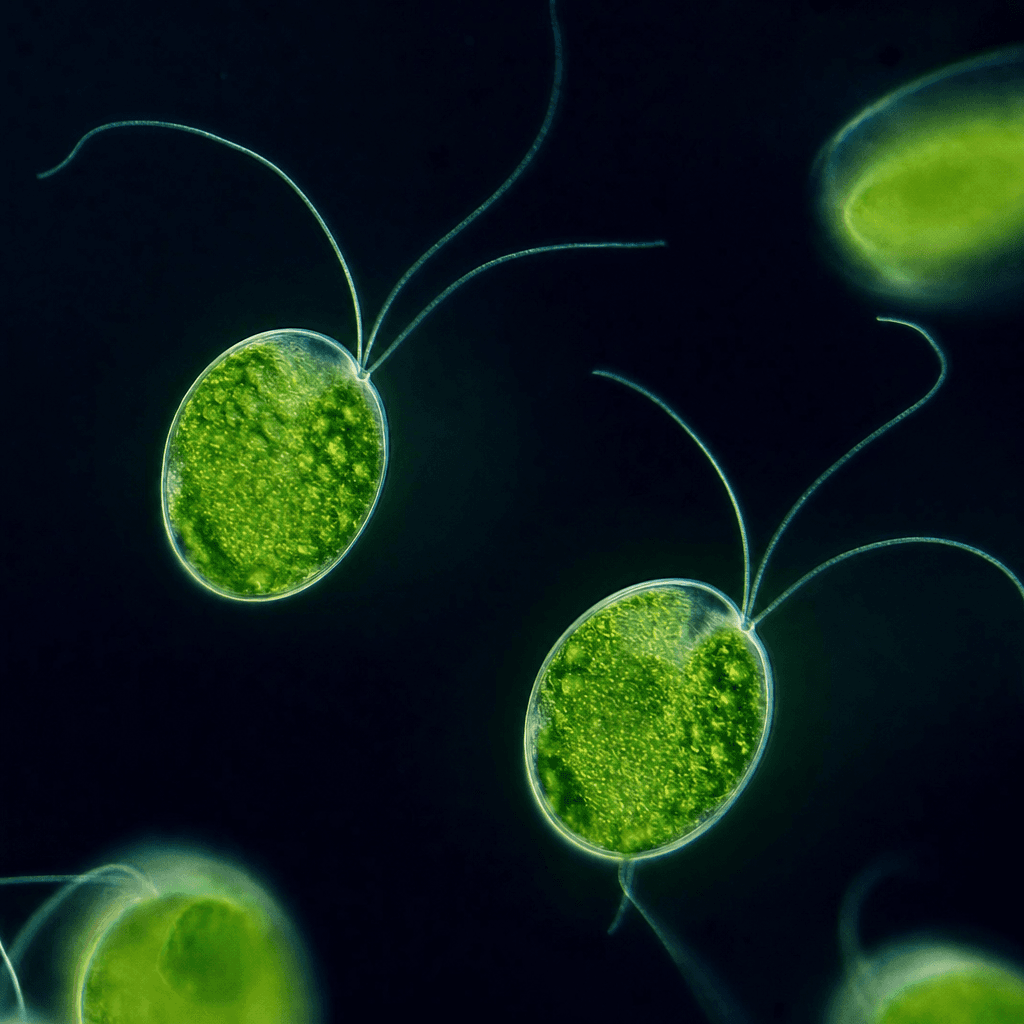
Eukaryotic microalgae have a defined nucleus and organelles such as the chloroplast, where chlorophyll resides and photosynthesis takes place. Their cell wall and pigments (chlorophylls, carotenoids, phycobiliproteins) vary by group and largely determine their industrial value.
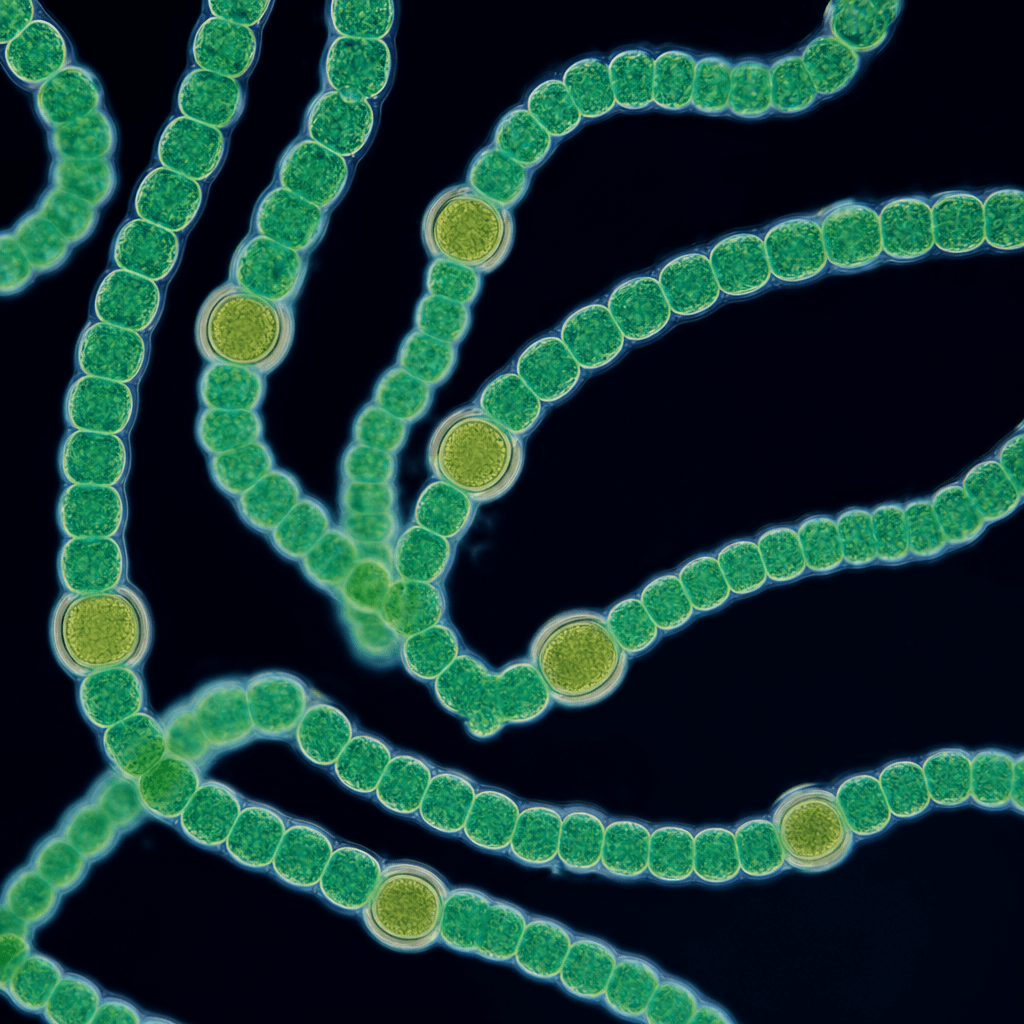
Cyanobacteria, such as Spirulina, are prokaryotes: they lack a nucleus and membrane-bound organelles, but they also carry out oxygenic photosynthesis. That is why they are included alongside microalgae in the context of cultivation and biotechnology.
Photosynthesis and CO₂ capture
Through photosynthesis, microalgae capture light energy and fix atmospheric or dissolved CO₂ to synthesise sugars and, from them, proteins, lipids and other compounds. In this process they release oxygen.
Their photosynthetic efficiency and fast growth explain the interest in microalgae for carbon capture and sustainable biomass production, since they can fix CO₂ faster per unit area than many land crops.
Reproduction and growth
Most microalgae reproduce asexually (by cell division or autospore formation), which allows the population to double in hours or a few days under optimal conditions. This speed is key to their industrial production.
Growth depends on light, temperature, CO₂ and nutrients —mainly nitrogen and phosphorus—. Controlling these parameters is the basis of cultivation in open ponds and photobioreactors.
Freshwater microalgae
Freshwater microalgae —such as Chlorella, Scenedesmus or the cyanobacterium Spirulina, which grows in alkaline waters— are ALGACEL's focus. Unlike marine ones, they do not add salt to the medium, which is relevant for agricultural applications and soil regeneration.
This makes them especially interesting as a basis for biostimulants and biofertilizers, without increasing the salinity of soils or irrigation water.
Composition and bioactive compounds
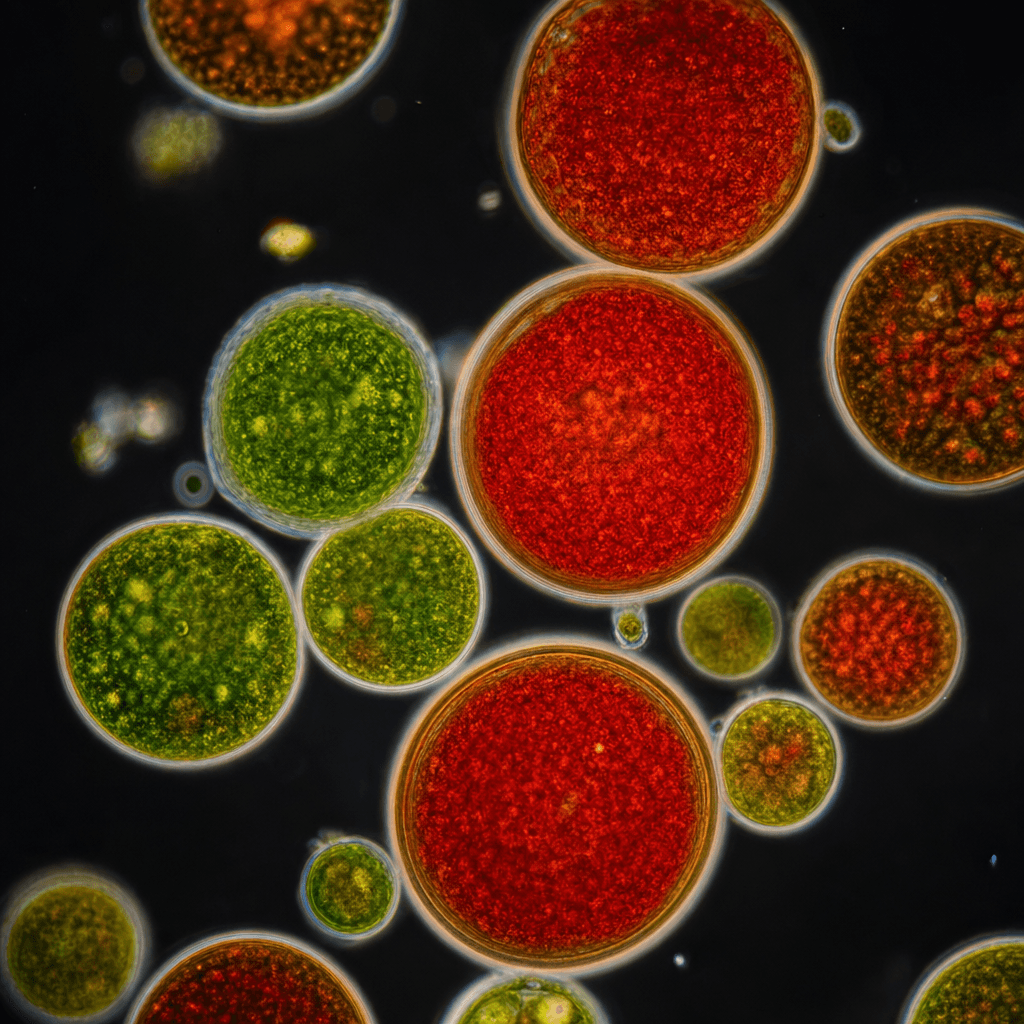
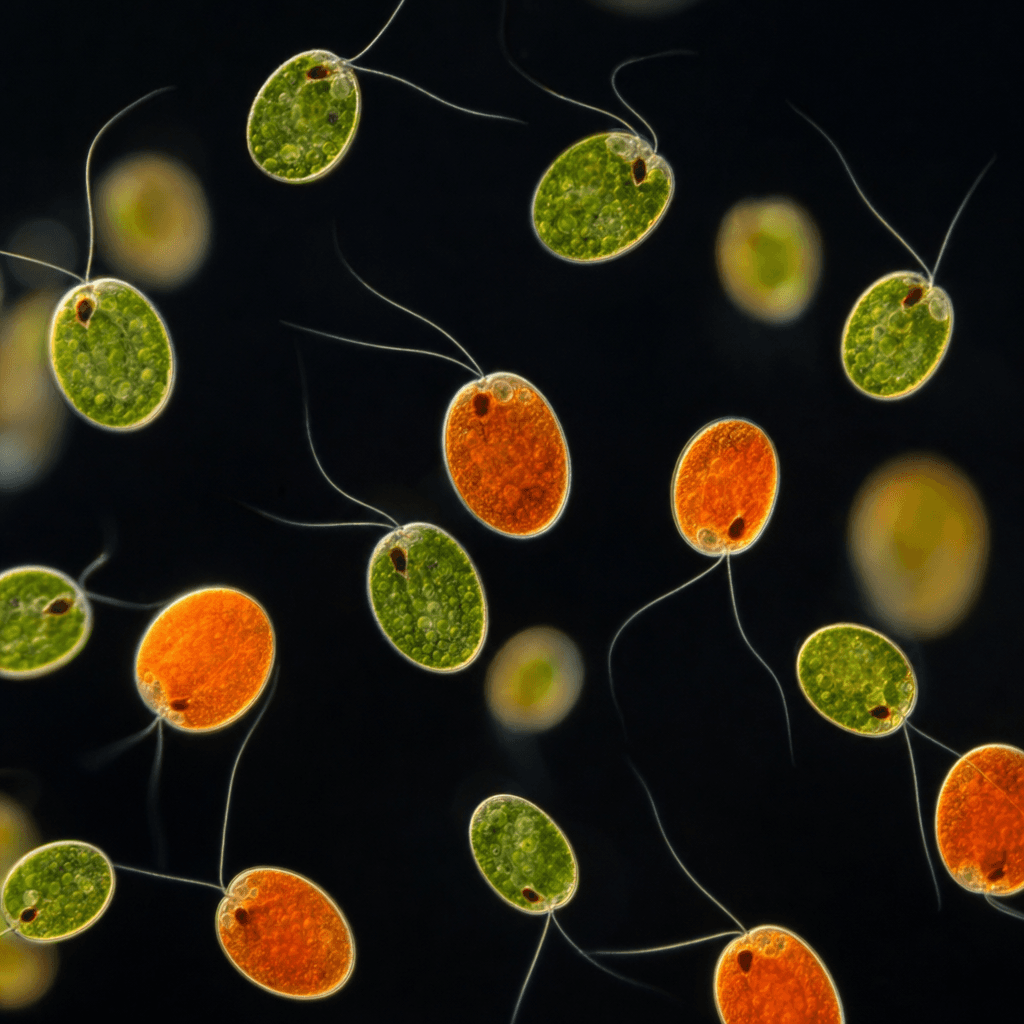
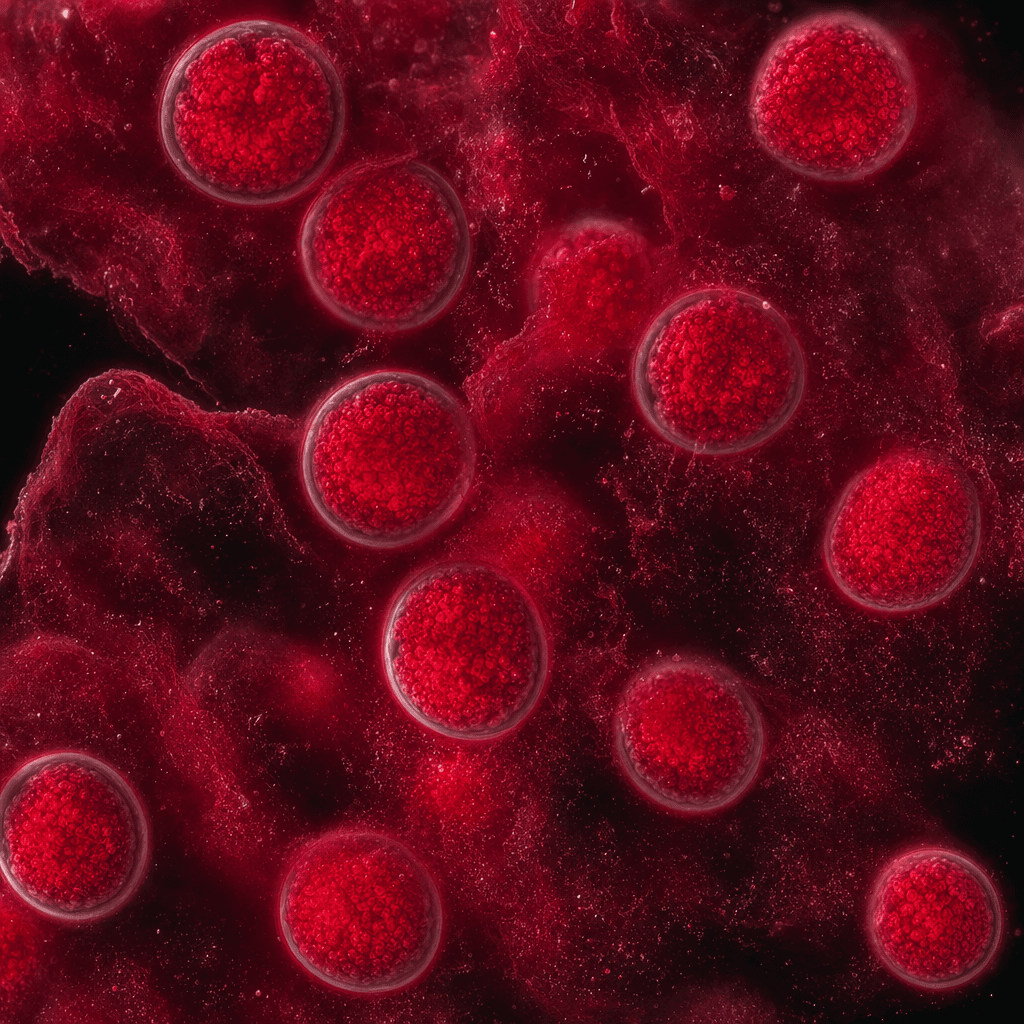
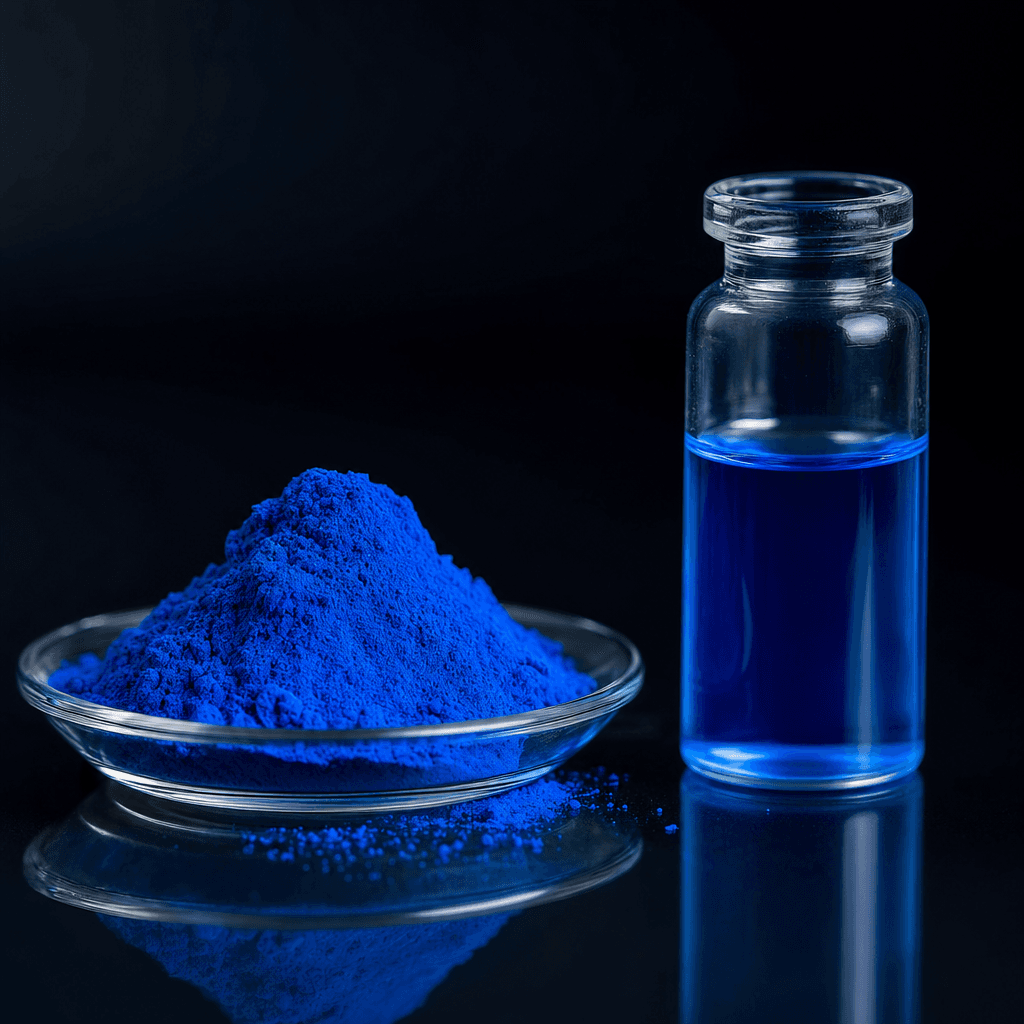
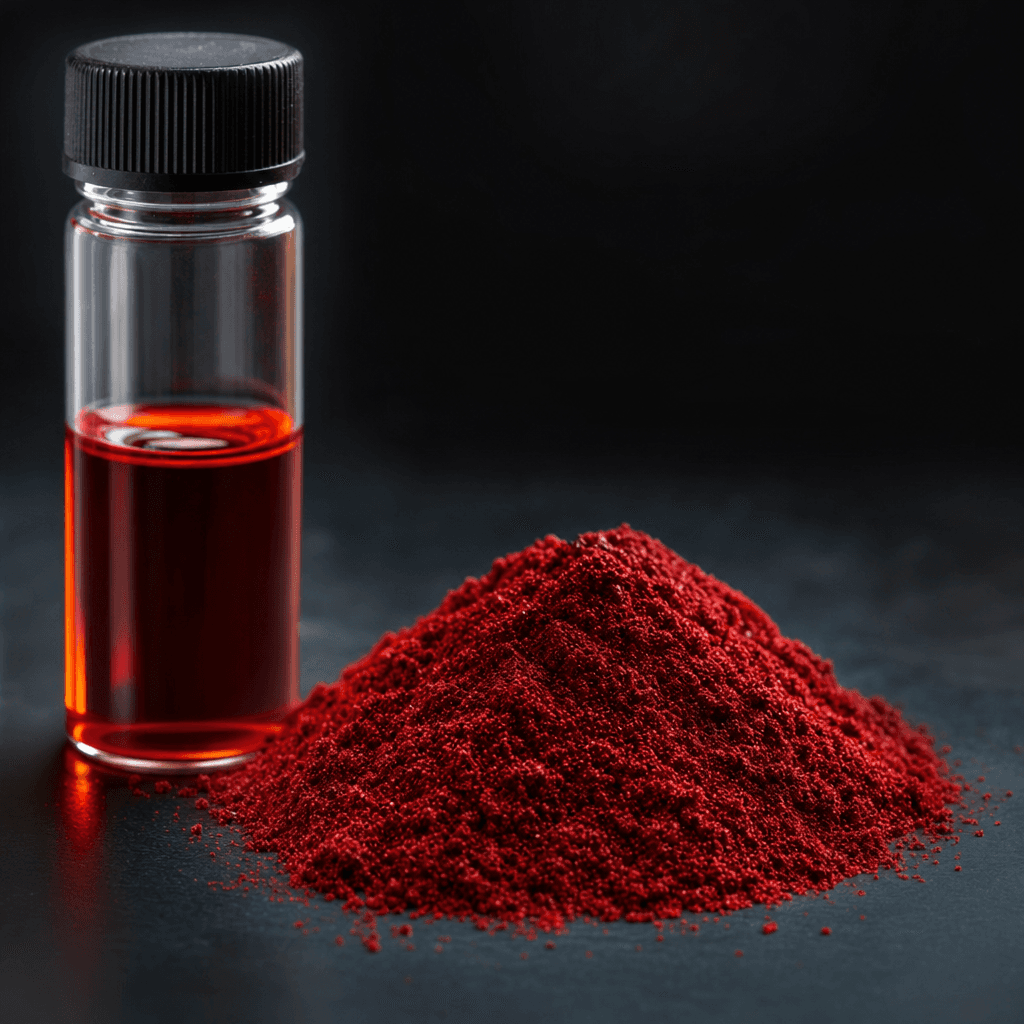
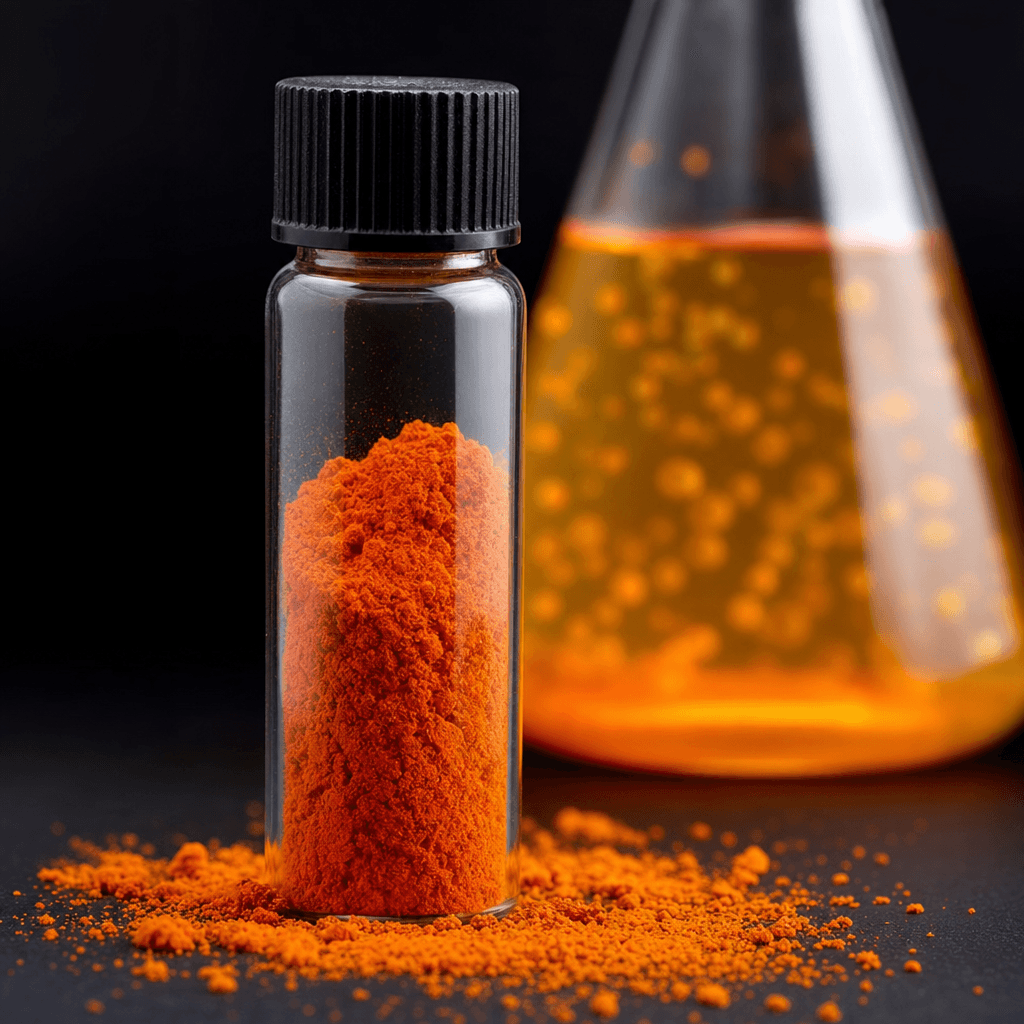
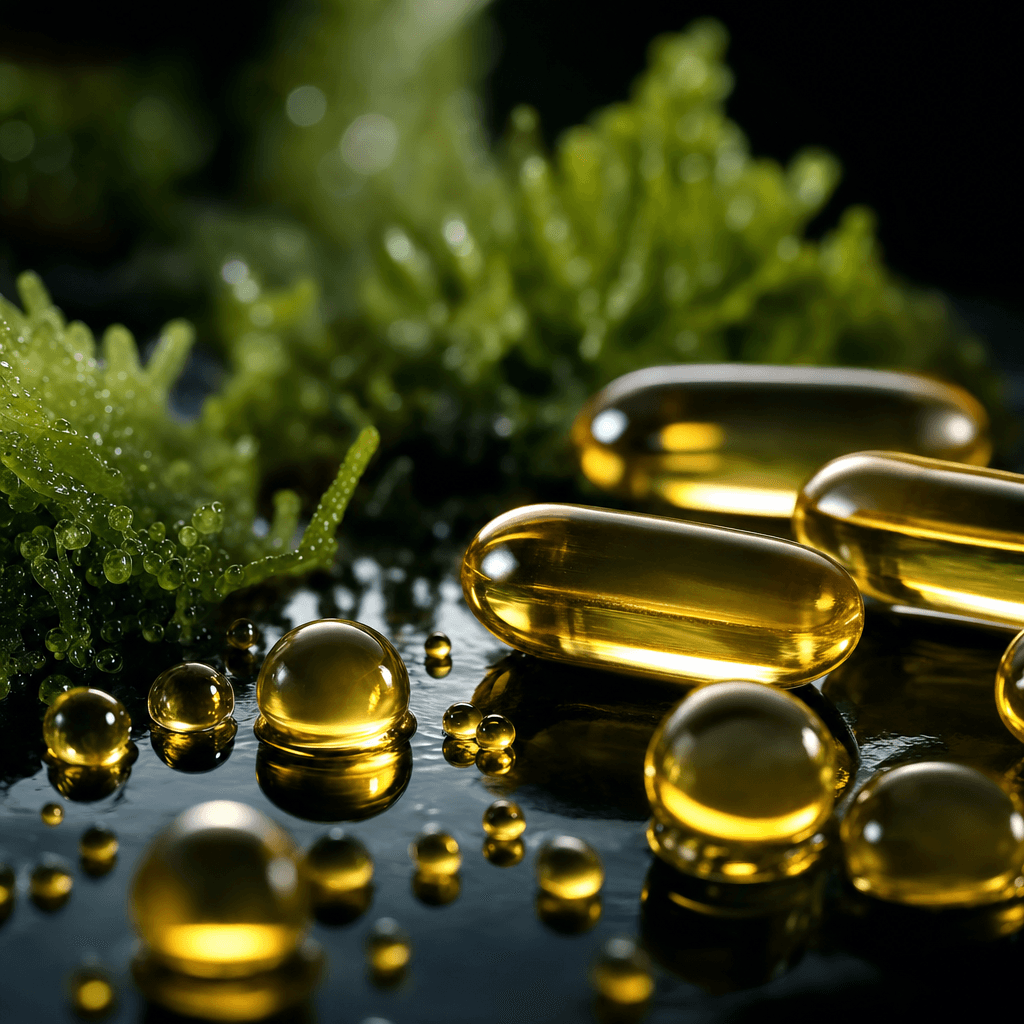
Microalgal biomass is rich in proteins, lipids and carbohydrates, plus high-value pigments: chlorophylls, carotenoids (such as Dunaliella's beta-carotene or Haematococcus's astaxanthin) and phycobiliproteins (such as Spirulina's phycocyanin).
They also contain vitamins, minerals, polyunsaturated fatty acids and polysaccharides with biostimulant activity, which supports their use in food, nutraceuticals, cosmetics and agriculture.
Applications of microalgae
Microalgae are applied in agriculture (biostimulants and biofertilizers), human and animal food, cosmetics, pharmacy and nutraceuticals, biofuel production, CO₂ capture, wastewater treatment and the production of bioplastics and pigments.
This versatility, together with their renewable nature, positions microalgae as a key technology platform for the bioeconomy.
Go deeper by topic
Microalgae species
Species comparison (table): group, habitat, size and key compoundView table →See the microalgae terms glossary →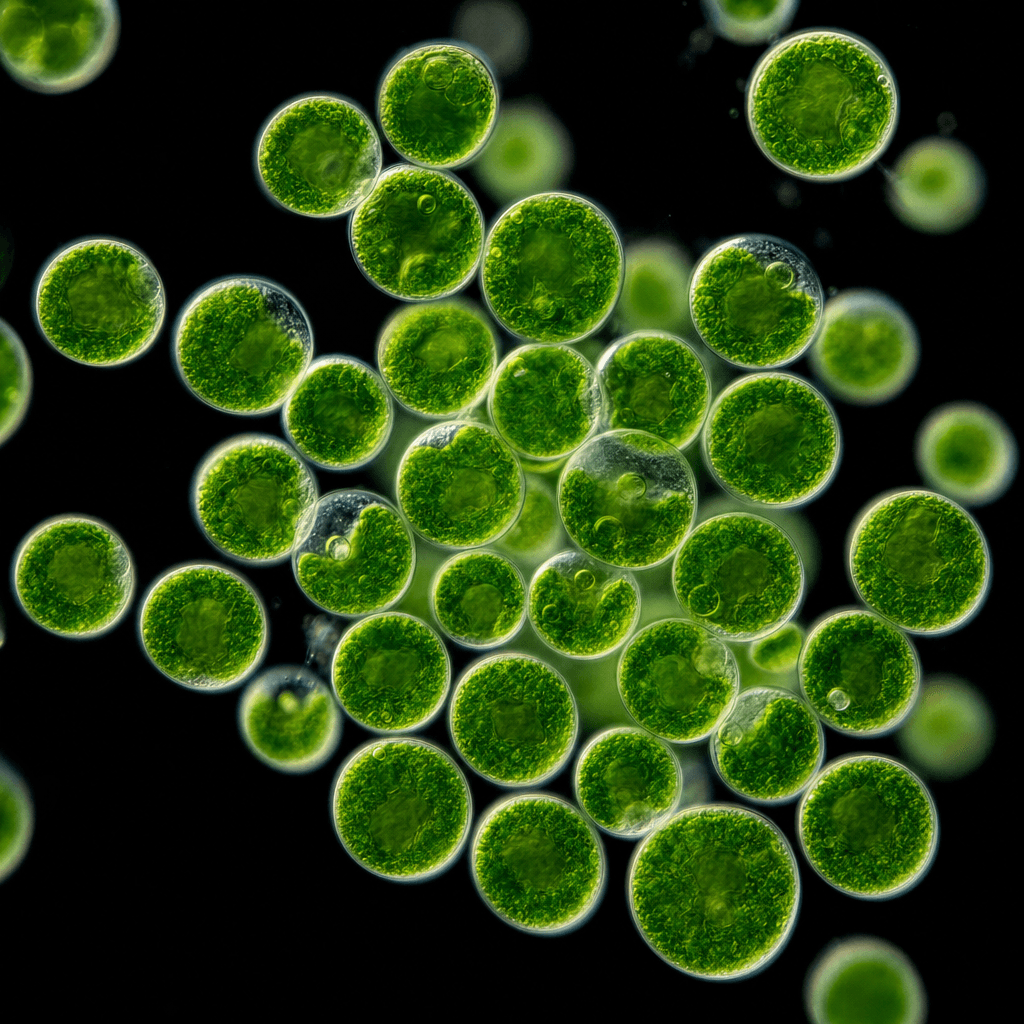
High-value compounds

Frequently asked questions
Microalgae are microscopic and mostly single-celled; macroalgae (such as seaweeds) are multicellular organisms visible to the naked eye.
Technically Spirulina (Arthrospira) is a cyanobacterium, but it is grouped with microalgae due to its cultivation and food and industrial uses.
Their bioactive compounds are used as biostimulants and biofertilizers to support plant development, stress response and soil biological activity.
They are grown in open ponds (raceway) or closed photobioreactors, controlling light, temperature, CO₂ and nutrients (nitrogen and phosphorus).
Sources
- Richmond, A. & Hu, Q. (eds.) (2013). Handbook of Microalgal Culture: Applied Phycology and Biotechnology. Wiley-Blackwell.
- Chisti, Y. (2007). Biodiesel from microalgae. Biotechnology Advances, 25(3), 294–306.
- Spolaore, P. et al. (2006). Commercial applications of microalgae. Journal of Bioscience and Bioengineering, 101(2), 87–96.
- Mata, T.M. et al. (2010). Microalgae for biodiesel production and other applications: A review. Renewable and Sustainable Energy Reviews, 14(1), 217–232.
- FAO (2008). A review on culture, production and use of Spirulina as food for humans. FAO Fisheries and Aquaculture Circular.
- Borowitzka, M.A. (2013). High-value products from microalgae—their development and commercialisation. Journal of Applied Phycology, 25, 743–756.
- Khan, M.I., Shin, J.H. & Kim, J.D. (2018). The promising future of microalgae: current status, challenges, and optimization of a sustainable and renewable industry for biofuels, feed, and other products. Microbial Cell Factories, 17:36.
- Kumar, G. et al. (2020). Bioengineering of Microalgae: Recent Advances, Perspectives, and Regulatory Challenges for Industrial Application. Frontiers in Bioengineering and Biotechnology, 8:914.
- Barkia, I., Saari, N. & Manning, S.R. (2019). Microalgae for High-Value Products Towards Human Health and Nutrition. Marine Drugs, 17(5):304.
- Acién, F.G., Fernández, J.M., Magán, J.J. & Molina, E. (2012). Production cost of a real microalgae production plant and strategies to reduce it. Biotechnology Advances, 30(6), 1344–1353.
- Metzger, P. & Largeau, C. (2005). Botryococcus braunii: a rich source for hydrocarbons and related ether lipids. Applied Microbiology and Biotechnology, 66(5), 486–496.
- Malcangi, G. et al. (2026). The Role of Astaxanthin as an Antioxidant and Anti-Inflammatory Agent in Human Health: A Systematic Review. International Journal of Molecular Sciences, 27(2):700.
Scientific outreach content based on specialised literature. Scientific review: pending validation.