
What it is
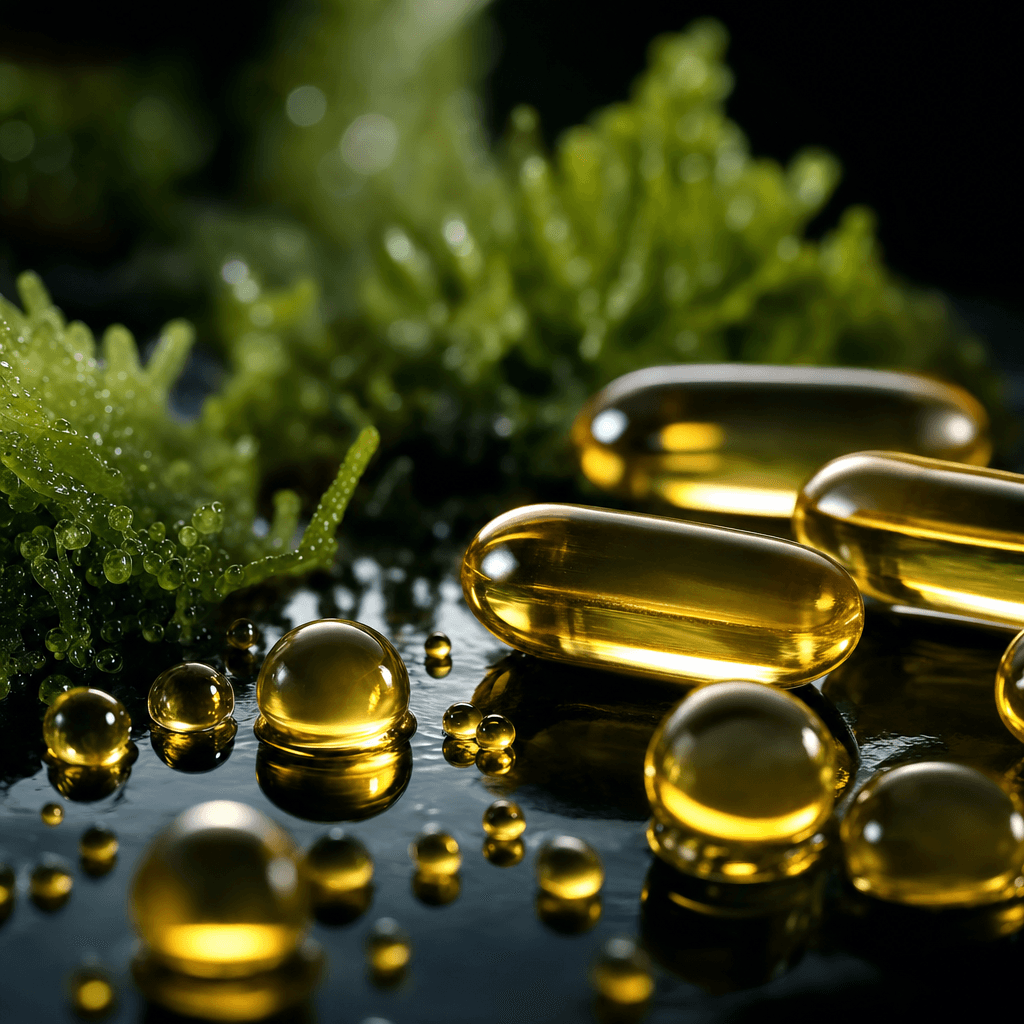
EPA (eicosapentaenoic acid, C20:5 n-3) is a long-chain polyunsaturated fatty acid of the omega-3 family. Although it is commonly associated with oily fish, its true origin in the food chain is marine microalgae: fish accumulate it by feeding on phytoplankton rather than synthesising it efficiently themselves. Microalgae such as Nannochloropsis and the diatom Phaeodactylum tricornutum produce EPA naturally within their lipids and can be grown under controlled cultivation. This makes it possible to obtain this omega-3 directly from its primary source, with full traceability and without relying on wild-catch fisheries, which has driven its interest in human nutrition and aquaculture.
Uses and properties
- ▪Plant-based EPA omega-3 obtained directly from microalgae, bypassing the fish food chain and suitable for vegan and vegetarian diets.
- ▪A fatty acid widely studied for its interest in cardiovascular health and in supporting the body's normal inflammatory balance.
- ▪A key ingredient in aquaculture: it enriches fish feed and improves the omega-3 profile of farmed species.
- ▪A sustainable, traceable alternative to fish oil that avoids the marine contaminants (mercury, dioxins) that can concentrate along the food chain.
FAQ
Mainly marine microalgae such as Nannochloropsis and the diatom Phaeodactylum tricornutum, which accumulate EPA naturally in their lipids and can be grown under controlled cultivation.
It is exactly the same molecule. In fact, fish obtain their EPA by feeding on microalgae; cultivating microalgae provides access to the original source of the omega-3 without intermediaries.
Because it is produced through controlled microalgae cultivation, without pressure on wild fish stocks and avoiding the contaminants that tend to accumulate along the marine food chain.
Both are long-chain omega-3s. EPA (C20:5) has 20 carbon atoms and DHA (C22:6) has 22; they often act in a complementary way, and many microalgae produce both in varying proportions.
Sources
- Richmond, A. & Hu, Q. (eds.) (2013). Handbook of Microalgal Culture: Applied Phycology and Biotechnology. Wiley-Blackwell.
- Spolaore, P. et al. (2006). Commercial applications of microalgae. Journal of Bioscience and Bioengineering, 101(2), 87–96.
- Khan, M.I., Shin, J.H. & Kim, J.D. (2018). The promising future of microalgae: current status, challenges, and optimization of a sustainable and renewable industry for biofuels, feed, and other products. Microbial Cell Factories, 17:36.